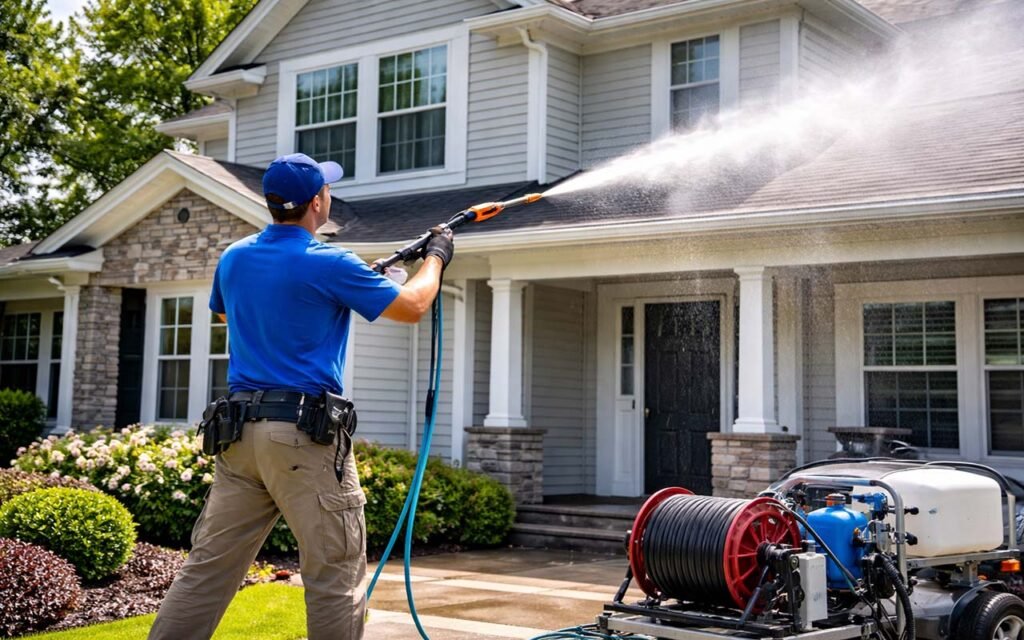
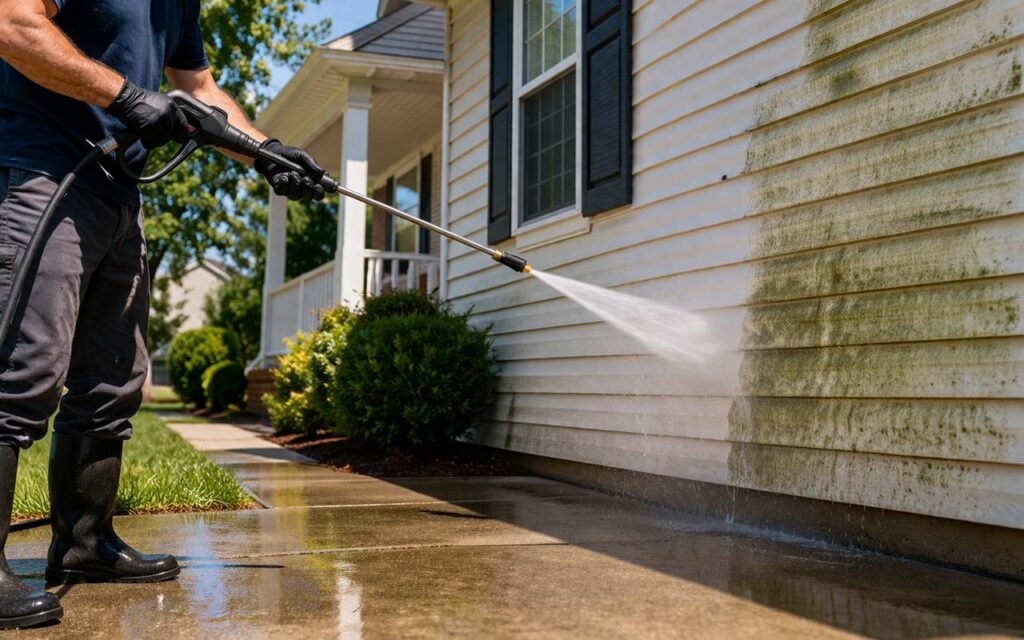
Residential pressure washing is one of the most effective ways to maintain the appearance and longevity of a home. Over time, dirt, mold, algae, and environmental buildup collect on exterior surfaces. This not only affects how your property looks but can also lead to long-term damage if left untreated.
From years of working in the field, one thing becomes clear very quickly. Every home accumulates grime differently. Climate, shade, and surface material all play a role. That is why residential pressure washing is not just about spraying water. It requires the right method, proper pressure levels, and a clear understanding of surface care.
In this guide, we will break down how residential pressure washing works, when to use it, and what homeowners should expect in terms of results and value.
What Is Residential Pressure Washing
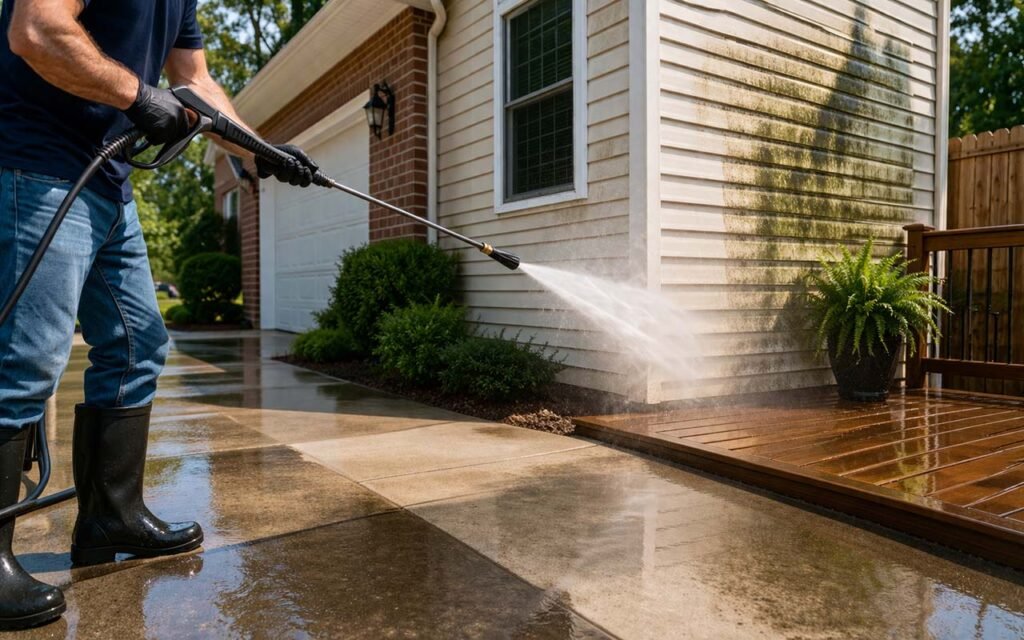
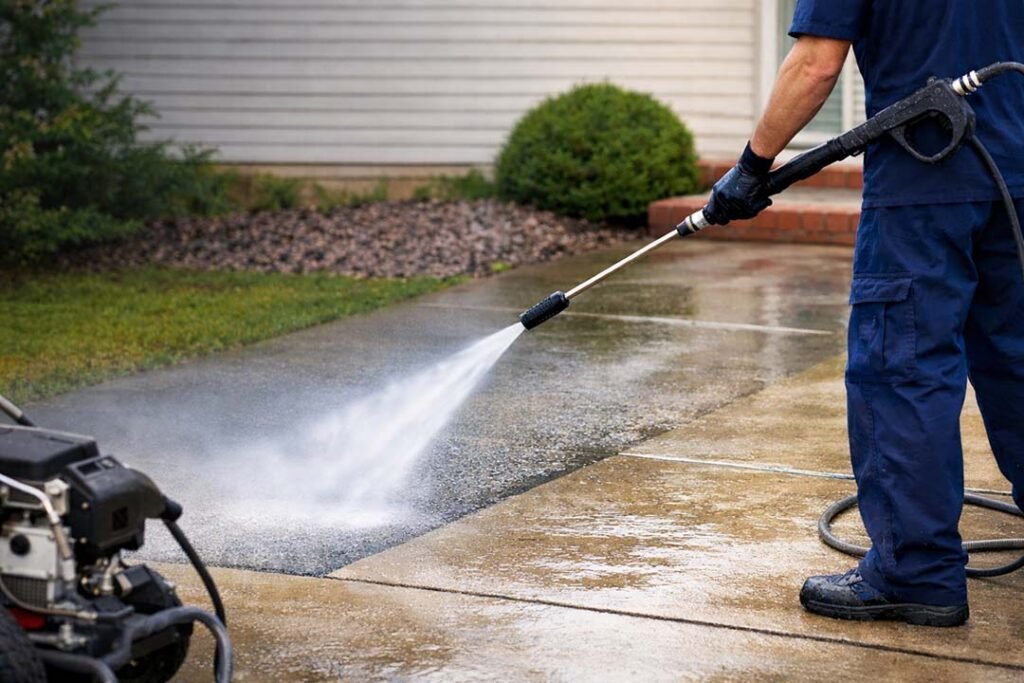
Residential pressure washing is a cleaning process that uses high-pressure water to remove dirt, mold, mildew, algae, and stains from exterior surfaces. It is commonly used on driveways, sidewalks, siding, decks, and patios.
However, not every surface should be treated the same way. Some areas require lower pressure or a soft washing approach to prevent damage.
Common surfaces cleaned include
- Concrete driveways and walkways
- Vinyl and brick siding
- Wooden decks and fences
- Patios and outdoor living areas
- Garage floors and entryways
According to the Environmental Protection Agency, mold and mildew growth can begin within 24 to 48 hours in the right conditions. Regular cleaning helps reduce these risks and keeps surfaces in better condition.
Why Residential Pressure Washing Matters
Many homeowners think of pressure washing as purely cosmetic. In reality, it plays a key role in protecting your property.
1. Prevents Surface Damage
Organic growth like algae and mold slowly breaks down materials. Over time, this can lead to costly repairs. Regular cleaning removes these harmful elements before they cause damage.
2. Improves Curb Appeal
A clean exterior instantly improves how a home looks. This is especially important if you are planning to sell or host guests.
3. Supports Property Value
Studies from the National Association of Realtors show that exterior cleaning can increase perceived home value by up to 5 percent.
4. Promotes Health and Safety
Mold, mildew, and algae can create slippery surfaces and unhealthy conditions. Removing them improves both safety and air quality around your home.
Pressure Washing vs Soft Washing
One of the most common mistakes homeowners make is assuming all surfaces can handle high pressure. In reality, choosing the wrong method can cause damage.
Comparison of Cleaning Methods
| Method | Best For | Pressure Level | Risk Level | Cleaning Power |
|---|---|---|---|---|
| Pressure Washing | Concrete, stone, brick | High | Medium | Strong |
| Soft Washing | Roofs, siding, painted surfaces | Low | Low | Moderate |
Soft washing uses low pressure combined with cleaning solutions to break down organic growth. This method is safer for delicate surfaces and provides longer-lasting results in many cases.
From field experience, using the correct method can extend the life of siding and roofing materials by several years.
When Should You Schedule Residential Pressure Washing
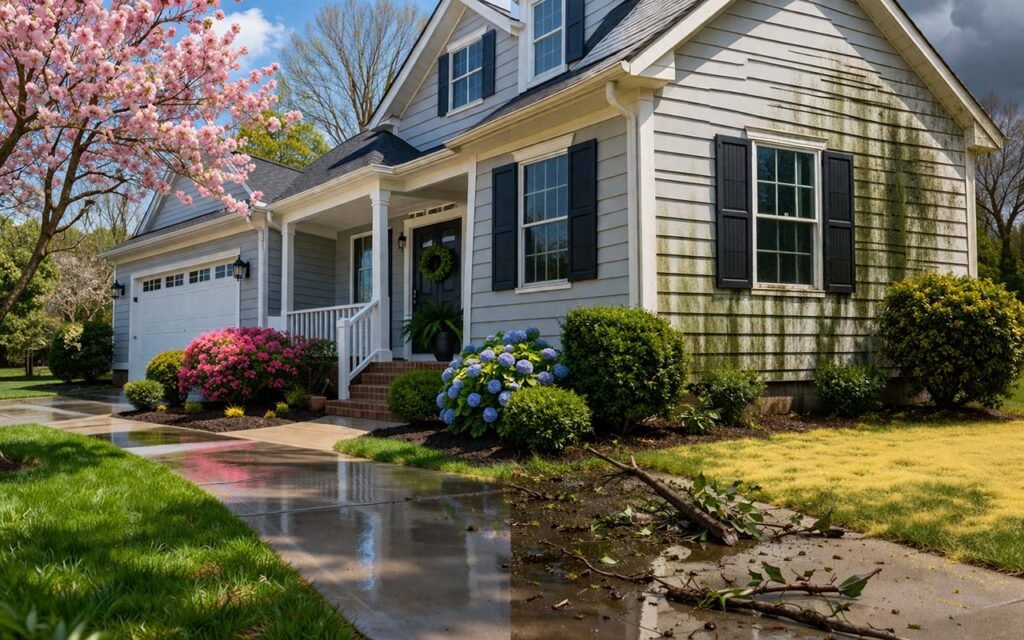
Timing plays an important role in achieving the best results when it comes to residential pressure washing. Exterior surfaces are constantly exposed to changing weather conditions, which leads to different types of buildup throughout the year. Understanding when to schedule a cleaning helps maintain both appearance and surface integrity.
In most cases, spring is one of the best times to schedule a cleaning. After months of winter weather, homes often have accumulated dirt, debris, and residue that dulls the exterior. A thorough wash in early spring helps restore the look of your property and prepares it for the warmer months.
Late summer is another important period, especially in areas with higher humidity. During this time, mold, mildew, and algae tend to grow more aggressively. Scheduling a cleaning during or after this season helps remove organic buildup before it spreads further or causes staining.
Many homeowners also choose to schedule residential pressure washing before listing their property for sale. A clean exterior creates a strong first impression and can make a noticeable difference in how buyers perceive the home. It is a simple step that can enhance curb appeal without major investment.
After major storms or heavy pollen seasons is another practical time to consider cleaning. Storms often leave behind debris and stains, while pollen can create a visible yellow or green layer across surfaces. Addressing these issues quickly helps prevent long-term buildup.
For most homes, an annual cleaning is enough to maintain a clean and healthy exterior. However, properties located in shaded areas or regions with high humidity may need more frequent service. These conditions tend to promote faster growth of algae and mold, which means surfaces can become dirty more quickly.
Signs Your Home Needs Pressure Washing
Some signs are obvious, while others develop gradually.
Look for these indicators
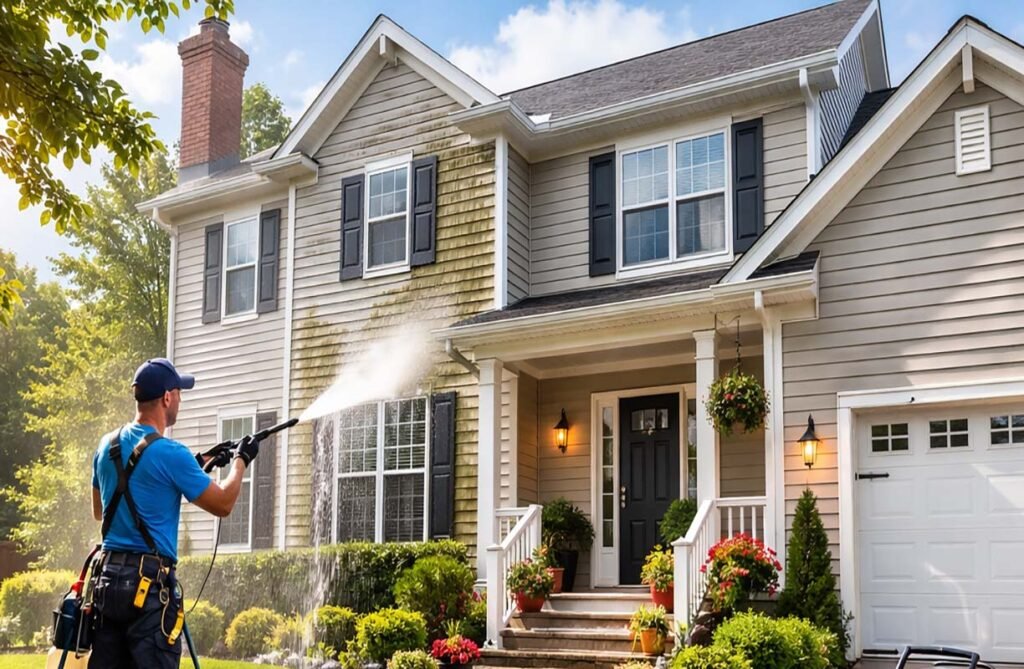
- Green or black streaks on siding
- Dark stains on driveways or sidewalks
- Slippery surfaces around walkways
- Dirt buildup that does not wash away with rain
- Faded or dull exterior appearance
Ignoring these signs can lead to deeper staining and higher cleaning costs later.
How Residential Pressure Washing Works
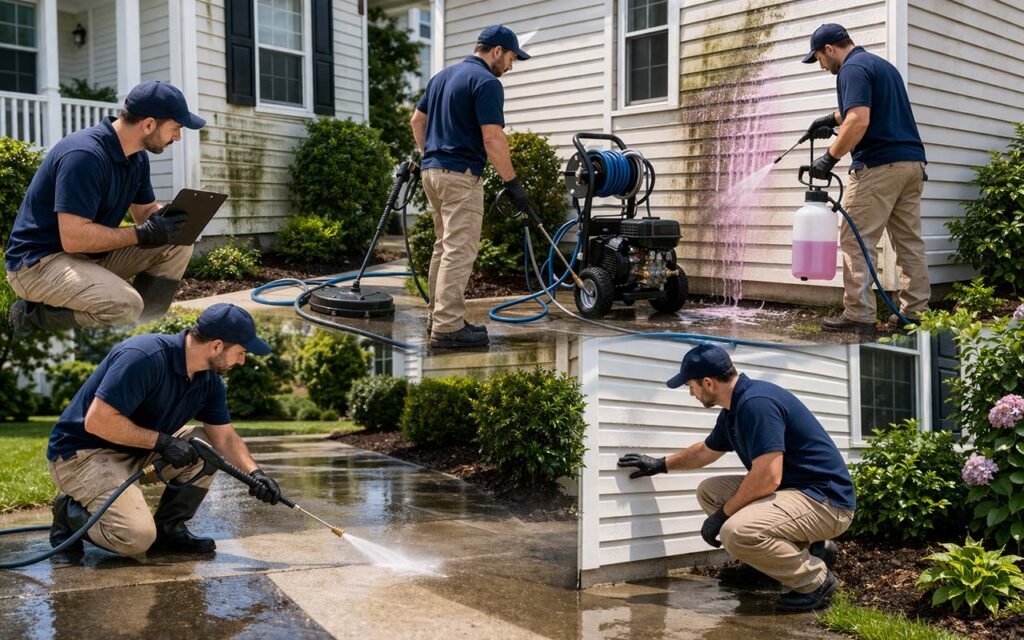
Understanding how residential pressure washing works helps homeowners know what to expect and why professional results often look significantly better than basic cleaning methods. It is not just about applying water pressure. It is a structured process that focuses on proper technique, surface care, and consistent results.
The process usually begins with a detailed surface inspection. This step is important because different materials require different cleaning approaches. For example, concrete can handle higher pressure, while siding or wood surfaces may need a softer method to avoid damage. Evaluating the condition of each area allows the technician to choose the safest and most effective approach.
Once the inspection is complete, the next step is selecting the appropriate cleaning method. This may involve standard pressure washing for hard surfaces or soft washing for more delicate areas. Choosing the right method ensures that dirt and buildup are removed without harming the surface.
Pre-treatment is then applied to areas with stains, mold, or algae. This step helps break down organic growth and loosens stubborn dirt before the main cleaning begins. In many cases, this makes the overall process more effective and reduces the need for excessive pressure.
After pre-treatment, the actual cleaning takes place using controlled pressure washing or soft washing techniques. The goal is to remove all visible buildup while maintaining the integrity of the surface. Proper control of pressure levels is essential during this stage to avoid uneven results or damage.
The process ends with a final rinse and inspection. This ensures that all cleaning solutions and debris are fully removed and that the surface meets quality standards. Any missed areas are addressed before the job is considered complete.
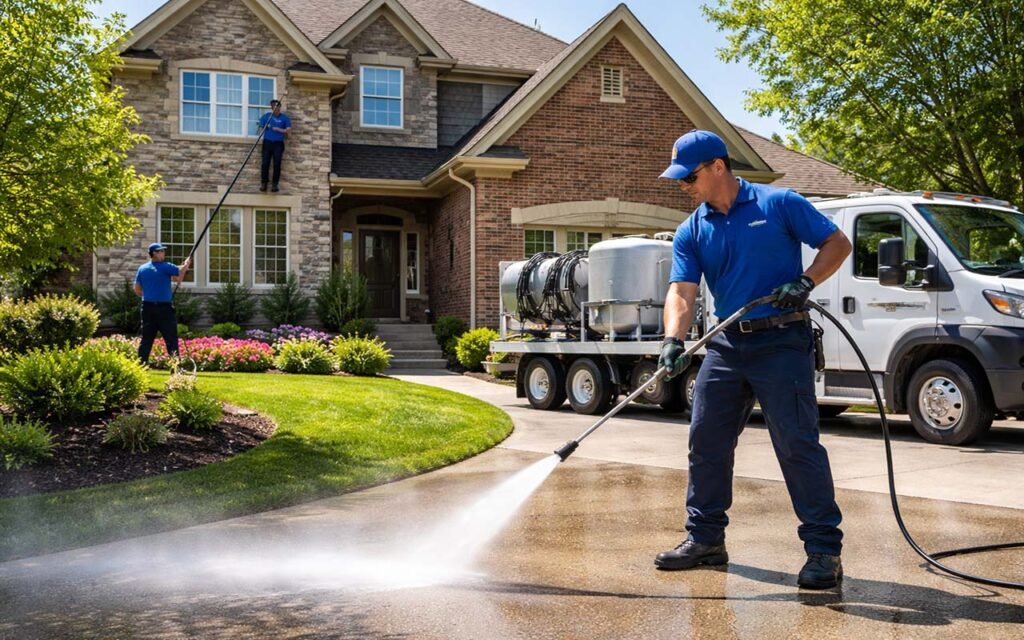
Professional residential pressure washing services typically use commercial-grade equipment designed for consistent performance. This equipment delivers steady pressure and better coverage, allowing for a more thorough and efficient clean compared to standard consumer machines.
Cost and Value of Residential Pressure Washing
Pricing can vary depending on property size, surface type, and level of buildup.
Average cost ranges
- Driveway cleaning ranges from 100 to 250 dollars
- House washing ranges from 250 to 600 dollars
- Full exterior cleaning packages can exceed 800 dollars
While these numbers vary, the return on investment is clear. A clean home not only looks better but also avoids repair costs that can run into thousands.
Safety Considerations
Pressure washing may look simple, but it involves risks if done incorrectly.
Key safety points
- High pressure can damage siding or wood
- Water can penetrate cracks and cause moisture issues
- Improper handling can lead to injury
According to the Occupational Safety and Health Administration, high-pressure water can cause serious injuries if misused. Proper training and equipment are essential.
Environmental Impact and Best Practices
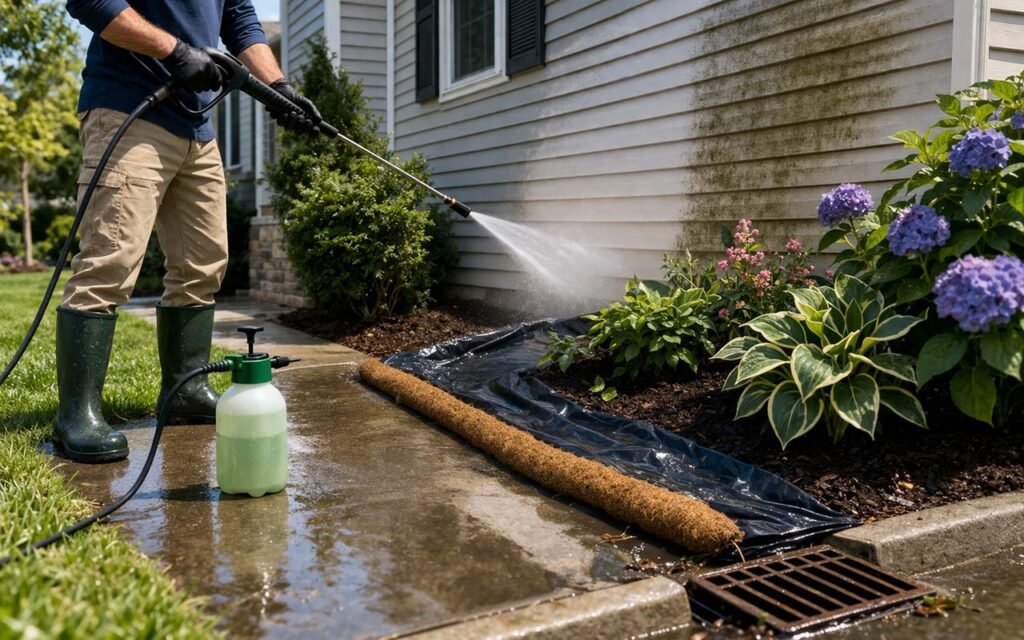
Modern residential pressure washing is no longer just about cleaning surfaces. It also involves using responsible methods that protect the environment while still delivering effective results. With the right approach, it is possible to remove dirt, mold, and buildup without causing harm to surrounding areas.
One of the most important practices is the use of biodegradable cleaning solutions. These products are designed to break down naturally, reducing the risk of soil and water contamination. They are especially important when cleaning areas near plants, lawns, or drainage systems where runoff can spread quickly.
Controlling water runoff is another key factor. During a proper residential pressure washing service, care is taken to direct water away from sensitive areas and prevent pollutants from entering storm drains. This helps reduce the environmental impact and keeps local water systems cleaner.
It is also important to avoid harsh chemicals, especially around landscaping. Strong cleaners can damage plants, discolor grass, and affect soil health. A professional approach focuses on using the right balance of cleaning agents that are both effective and safe for the surrounding environment.
For homeowners who want to learn more about safe exterior cleaning practices, the Environmental Protection Agency provides helpful guidance at EPA.
Following these best practices ensures that residential pressure washing not only improves the appearance of your home but also protects the environment around it.
Choosing the Right Service Provider
Not all pressure washing services offer the same level of quality.
What to look for
- Experience with different surface types
- Knowledge of soft washing techniques
- Clear communication and honest recommendations
- Proper equipment and insurance
A reliable company will explain the process and recommend the best approach for your property. They will not use a one-size-fits-all method.
Common Mistakes to Avoid
Homeowners often try to handle pressure washing themselves, which can lead to issues.
Avoid these mistakes
- Using too much pressure on delicate surfaces
- Skipping pre-treatment for stains
- Ignoring safety precautions
- Overlooking hidden areas where buildup forms
These mistakes can result in uneven cleaning or surface damage.
Long Term Benefits of Regular Cleaning
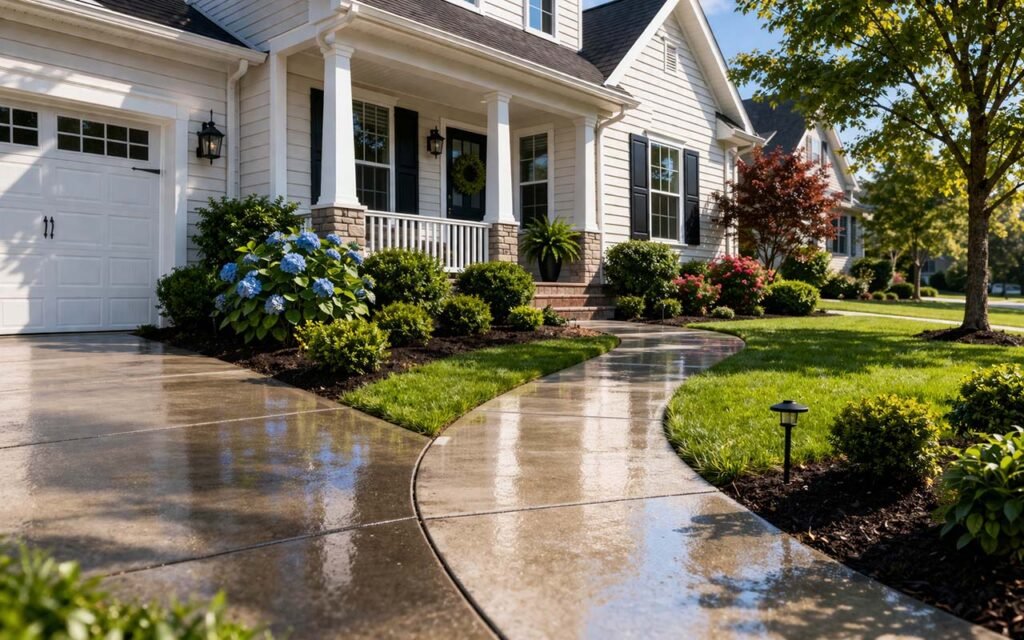
Consistent residential pressure washing offers more than just a clean appearance. It plays an important role in preserving the condition of your home and preventing issues that develop over time. Regular cleaning helps remove dirt, mold, and buildup before they begin to damage exterior surfaces.
One of the biggest advantages is extending the life of materials such as siding, concrete, and wood. When surfaces are kept clean, they are less likely to deteriorate or require early replacement. This leads to noticeable savings by reducing ongoing maintenance costs.
Clean surfaces also improve safety around your property. Removing algae and grime from walkways and driveways helps prevent slips and keeps high-traffic areas safer for daily use.
Another key benefit is maintaining property value. Homes that are cleaned regularly tend to look well cared for and require fewer repairs. Over time, this consistent upkeep helps preserve both appearance and overall structural condition.
Frequently Asked Questions
How often should residential pressure washing be done
Most homes benefit from a professional cleaning once a year. However, properties in humid or shaded areas may need cleaning every 6 to 9 months due to faster mold and algae growth.
Is residential pressure washing safe for all surfaces
Not all surfaces can handle high pressure. Delicate areas like siding and roofs require soft washing to prevent damage while still achieving a thorough clean.
How long does a typical pressure washing service take
A standard residential pressure washing job usually takes between 1 to 4 hours. The time depends on the size of the property and the level of buildup.
Will pressure washing remove all stains
Most dirt, mold, and organic stains can be removed effectively. However, some deep oil or rust stains may require specialized treatment for full removal.
Can I do pressure washing myself or should I hire a professional
While DIY is possible, using the wrong pressure or technique can cause damage. Hiring a professional ensures the correct method is used for each surface and delivers more consistent results.
Final Thoughts
Residential pressure washing is a practical and effective way to maintain your home. It improves appearance, protects surfaces, and helps prevent long-term damage.
The key is using the right method for each surface and staying consistent with maintenance. Whether you are preparing to sell your home or simply want to keep it looking its best, regular cleaning makes a noticeable difference.
From hands-on experience, the homes that receive proper care always stand out. They last longer, look better, and require fewer repairs over time.
Investing in professional residential pressure washing is not just about cleaning. It is about protecting your property and ensuring it stays in great condition for years to come.