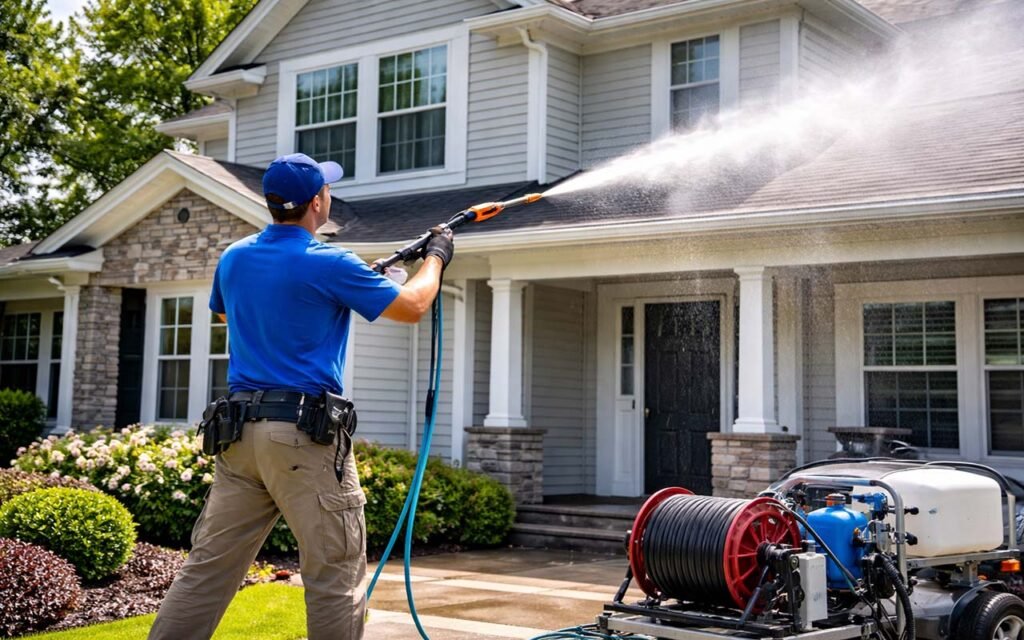
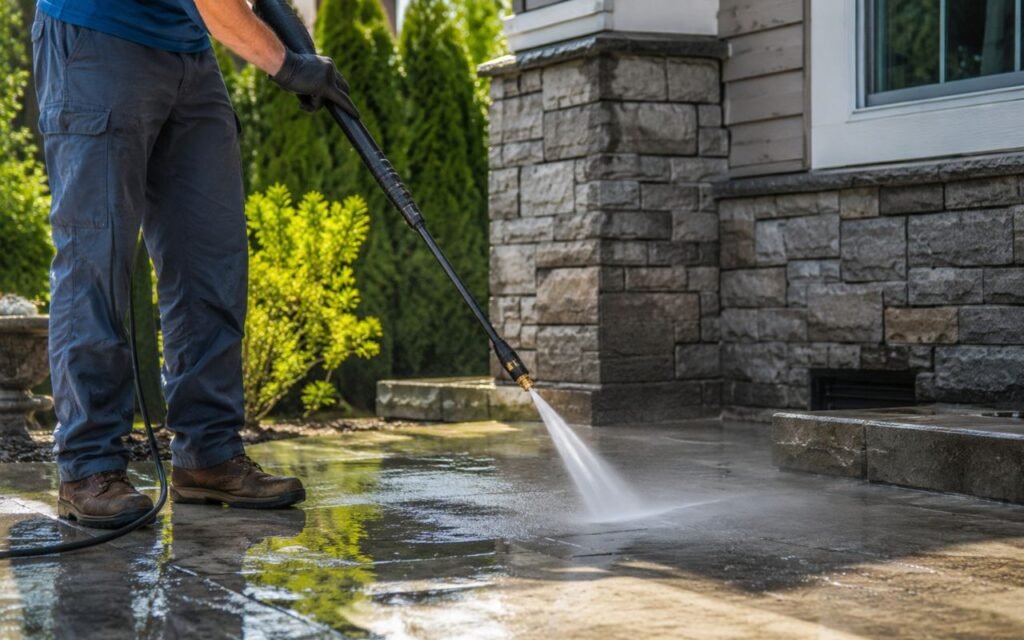
Pressure washing is one of the most effective ways to restore the appearance of outdoor surfaces. Whether you are cleaning a driveway, patio, fence, or siding, using the correct techniques can make a significant difference in both cleaning performance and surface protection. Many homeowners purchase or rent equipment without fully understanding how different pressure levels, nozzles, and cleaning methods affect various materials.
Understanding the right pressure washer tips before starting a project can help you achieve professional-looking results while reducing the risk of costly damage. In our experience working with residential and commercial properties, we often see problems caused by excessive pressure, poor nozzle selection, or improper cleaning techniques. A little preparation can save time, improve efficiency, and extend the life of your exterior surfaces.
This guide covers practical advice, safety recommendations, and proven cleaning techniques that can help homeowners get the most from their pressure washing equipment.
Why Proper Pressure Washing Techniques Matter
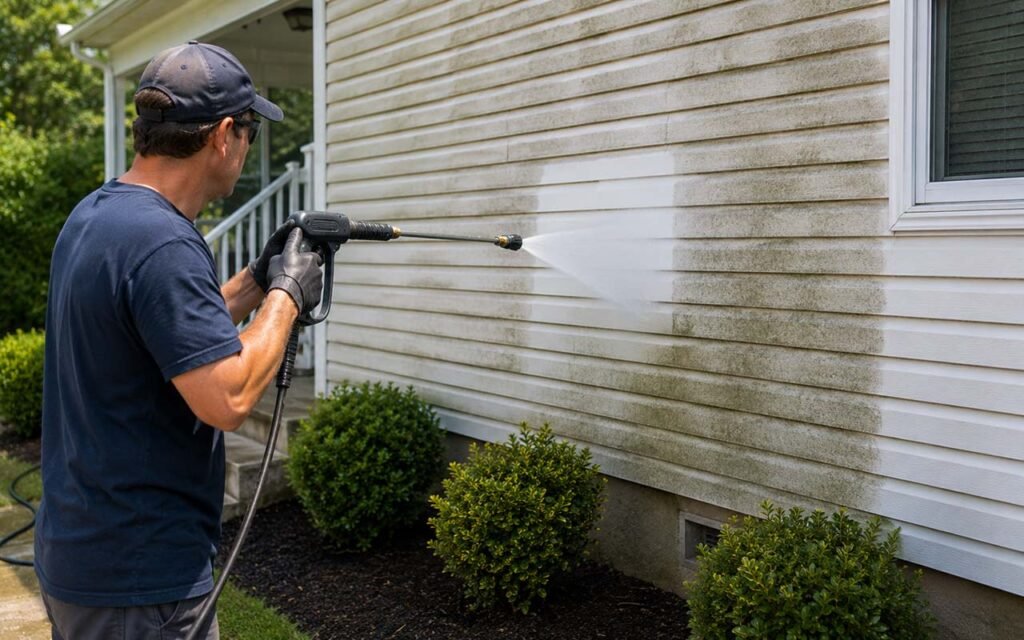
Many people assume that higher pressure automatically creates better cleaning results. In reality, successful cleaning depends on matching the right pressure level to the surface being treated. Concrete can tolerate significantly more force than vinyl siding, painted wood, or roofing materials.
According to industry estimates, pressure washers commonly operate between 1,300 and 4,000 PSI. Using excessive pressure on delicate surfaces may strip paint, damage siding, etch wood, or force water behind building materials. These problems often lead to expensive repairs that could have been avoided with proper technique.
Professional cleaners focus on cleaning efficiency rather than maximum pressure. The combination of water flow, cleaning solutions, nozzle selection, and spray angle usually has a greater impact on results than raw pressure alone. Understanding these factors helps homeowners clean more effectively while protecting their investment.
Choosing the Right Pressure Washer for the Job
Selecting the correct machine is an important first step. Different projects require different levels of cleaning power, and using the wrong equipment often creates frustration or poor results.
The table below provides a general guideline for common residential cleaning tasks.
| Surface Type | Recommended PSI | Typical Use |
|---|---|---|
| Outdoor Furniture | 1,300 – 1,800 PSI | Light dirt removal |
| Vinyl Siding | 1,500 – 2,500 PSI | House washing |
| Wooden Decks | 1,500 – 2,500 PSI | Surface cleaning |
| Concrete Driveways | 2,500 – 3,500 PSI | Heavy stain removal |
| Commercial Concrete | 3,000 – 4,000 PSI | Deep cleaning |
As a general rule, start with the lowest effective pressure and increase gradually if necessary. This approach minimizes risk while still achieving thorough cleaning results.
Understanding Pressure Washer Nozzles
The nozzle attached to your pressure washer has a major impact on cleaning performance. Different nozzle colors represent different spray patterns, and choosing the wrong one can damage surfaces or reduce cleaning effectiveness.
Most pressure washers include several standard nozzle options:
- Red nozzle with a 0-degree spray pattern for concentrated cleaning
- Yellow nozzle with a 15-degree spray pattern for heavy-duty work
- Green nozzle with a 25-degree spray pattern for general cleaning
- White nozzle with a 40-degree spray pattern for delicate surfaces
- Black nozzle designed for applying detergents
One of the most common mistakes homeowners make is using a red nozzle on sensitive surfaces. The concentrated stream can quickly damage wood, paint, and siding. For most residential projects, a wider spray pattern provides safer and more consistent results.
Surface Preparation Before Pressure Washing
Preparation plays an important role in achieving professional results. Skipping this step often leads to uneven cleaning, missed areas, or unnecessary complications during the project.
Before starting any cleaning task, inspect the area carefully. Remove outdoor furniture, potted plants, decorations, and loose debris. Cover electrical outlets and sensitive fixtures to prevent water intrusion. Trim nearby vegetation if necessary to improve access and visibility.
It is also important to check surfaces for existing damage. Cracked siding, loose paint, deteriorated caulking, and damaged wood may worsen under pressure washing. Identifying these issues beforehand allows you to adjust your cleaning approach accordingly.
A few minutes spent preparing the work area often improves cleaning efficiency and helps prevent avoidable problems later in the process.
Pressure Washer Tips for Different Exterior Surfaces
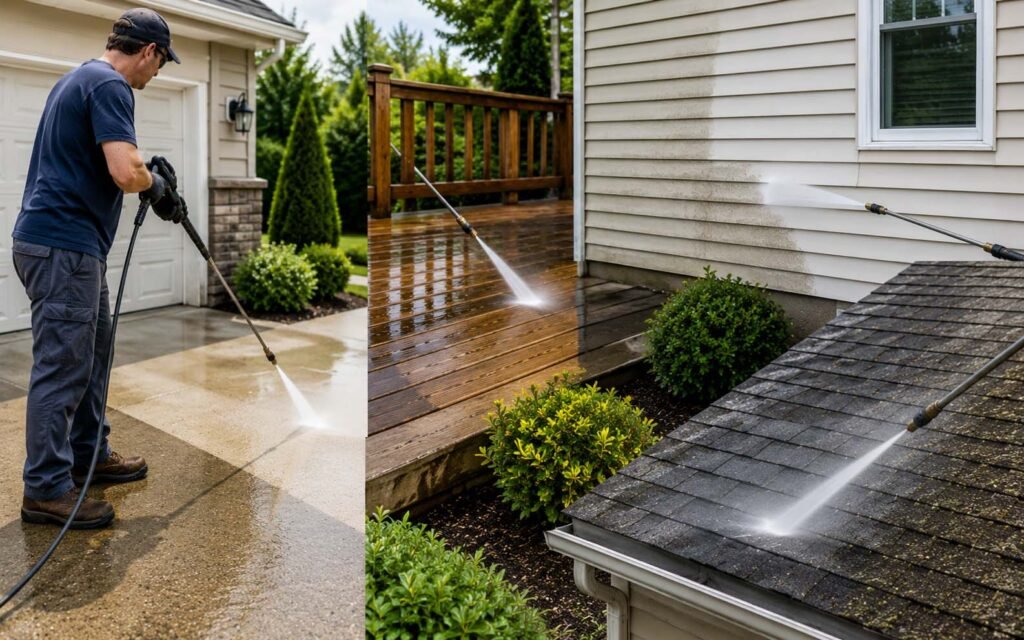
Every surface responds differently to pressure washing. Applying the same technique across all materials can produce inconsistent results and increase the risk of damage.
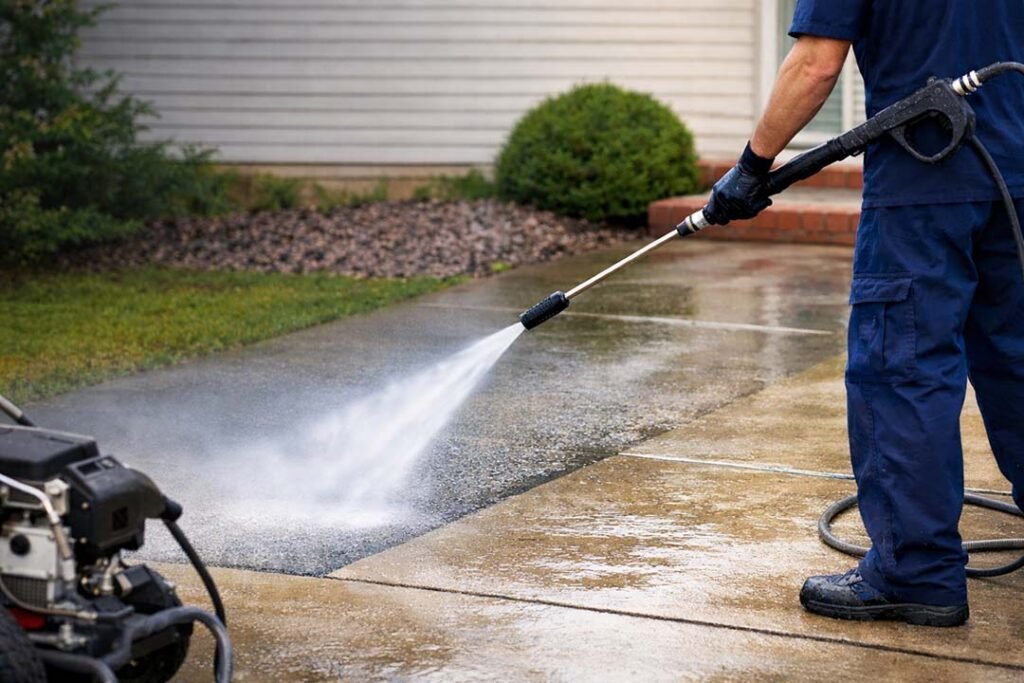
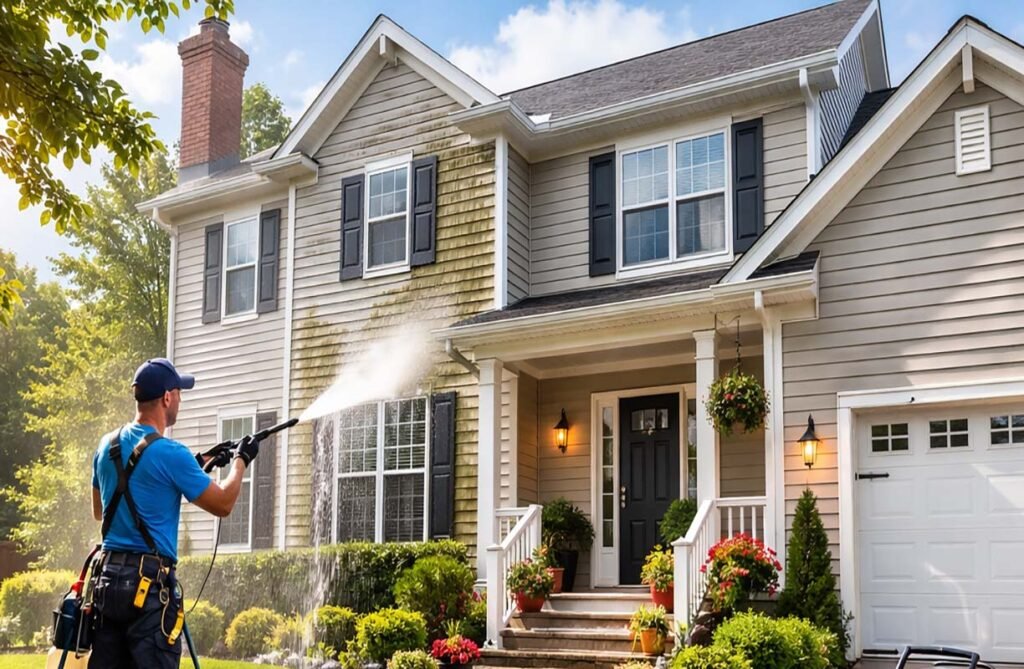
Concrete surfaces generally tolerate higher pressure levels and are ideal for removing dirt, oil stains, mildew, and algae growth. Wood surfaces require more caution because excessive pressure can leave visible marks or gouges. Vinyl siding benefits from moderate pressure combined with specialized cleaning solutions.
Roofs present a unique challenge. Many homeowners mistakenly believe pressure washing is appropriate for many homeowners mistakenly believe pressure washing is appropriate for asphalt shingles. In reality, professional soft washing methods are typically recommended because high pressure can shorten the lifespan of roofing materials.
In our experience, choosing the proper cleaning method for each surface often delivers better long-term results than simply increasing water pressure.
Common Pressure Washing Mistakes to Avoid
Even quality equipment cannot compensate for poor technique. Understanding common mistakes can help homeowners avoid damage and improve cleaning efficiency.
One frequent issue is holding the spray wand too close to the surface. Concentrated pressure can leave visible marks, strip paint, or damage protective coatings. Maintaining a consistent distance usually produces more even results.
Another mistake involves cleaning in direct sunlight. Cleaning solutions may dry too quickly, leaving streaks or reducing effectiveness. Early morning or late afternoon cleaning often provides better outcomes.
Homeowners should also avoid spraying water upward beneath siding panels. Water intrusion behind exterior materials can contribute to moisture problems, mold growth, and structural deterioration over time.
How Cleaning Solutions Improve Results
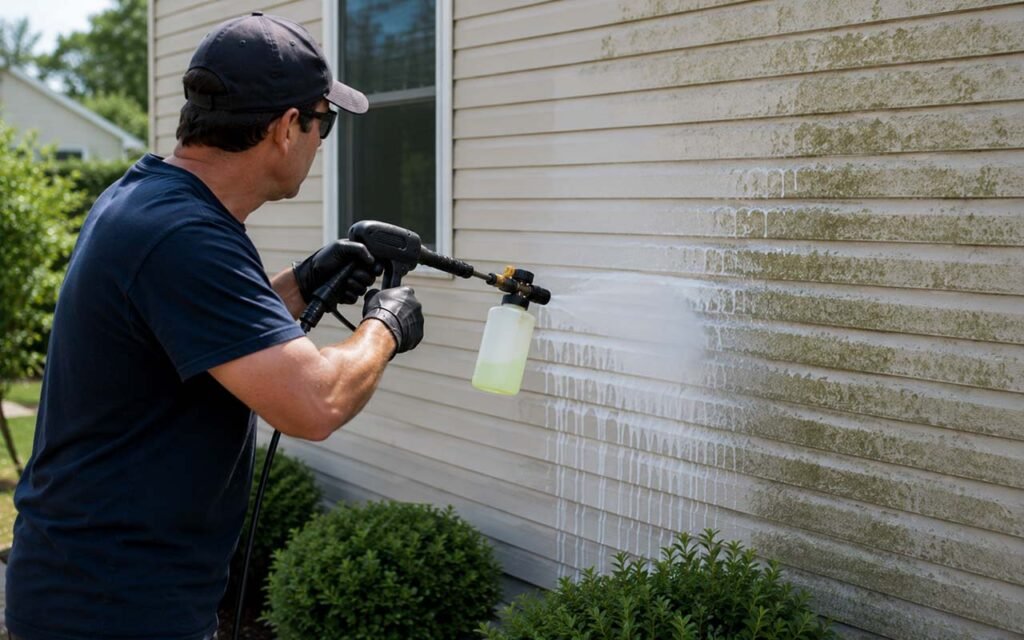
Water pressure alone does not remove every type of stain. Organic growth, algae, mildew, grease, and oil often require specialized cleaning solutions to break down contaminants effectively.
Professional exterior cleaning frequently relies on a combination of detergents and low-pressure rinsing rather than excessive force. This approach helps remove biological growth at its source while reducing stress on exterior materials.
Studies within the cleaning industry have shown that properly selected detergents can significantly improve cleaning effectiveness while reducing the amount of pressure required. This creates a safer process for delicate surfaces and often produces longer-lasting results.
Always follow manufacturer recommendations when using detergents and ensure solutions are compatible with the surfaces being cleaned.
Safety Tips Every Pressure Washer User Should Follow
Pressure washers are powerful tools that require careful handling. Even residential units can generate enough force to cause serious injuries if used improperly.
Before beginning any project, review safety guidelines and inspect equipment for signs of wear or damage.
Important safety practices include:
- Wear safety glasses and closed-toe footwear.
- Keep children and pets away from the work area.
- Never point the spray wand at people or animals.
- Inspect hoses and fittings before use.
- Use proper ladder safety when cleaning elevated surfaces.
Many emergency room visits each year involve pressure washing injuries. Taking simple precautions significantly reduces risk while allowing projects to be completed safely and efficiently.
At 615 Softwash, we take pride in providing reliable Pressure Washing Service for homeowners and businesses across Nashville. With more than five years of hands-on experience, we focus on delivering thorough cleaning, honest communication, and attention to detail on every project. Our goal is to help your property stay clean, attractive, and well-maintained throughout the year.
How Often Should You Pressure Wash Exterior Surfaces?
Cleaning frequency depends on climate, environmental conditions, and the type of surface being maintained. Homes located in humid regions often experience faster algae and mildew growth than properties in drier climates.
For many residential properties, annual cleaning provides a good balance between appearance and maintenance. However, some surfaces may benefit from more frequent service.
General maintenance recommendations include:
| Surface | Recommended Cleaning Frequency |
|---|---|
| House Siding | Every 1–2 Years |
| Driveways | Annually |
| Decks | Every 1–2 Years |
| Fences | Every 2–3 Years |
| Roofs | Every 2–5 Years |
| Commercial Properties | As Needed Based on Traffic |
Properties surrounded by trees or exposed to high humidity may require more frequent cleaning to control organic growth.
Why Professional Pressure Washing Can Be Worth the Investment
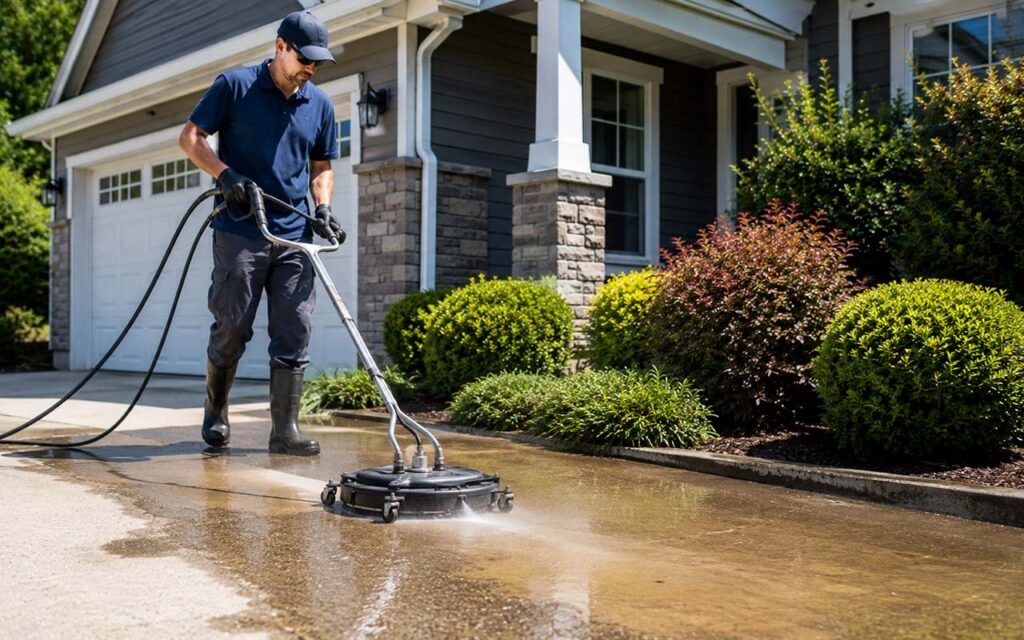
Many homeowners enjoy tackling exterior cleaning projects themselves. However, certain situations benefit from professional expertise and equipment.
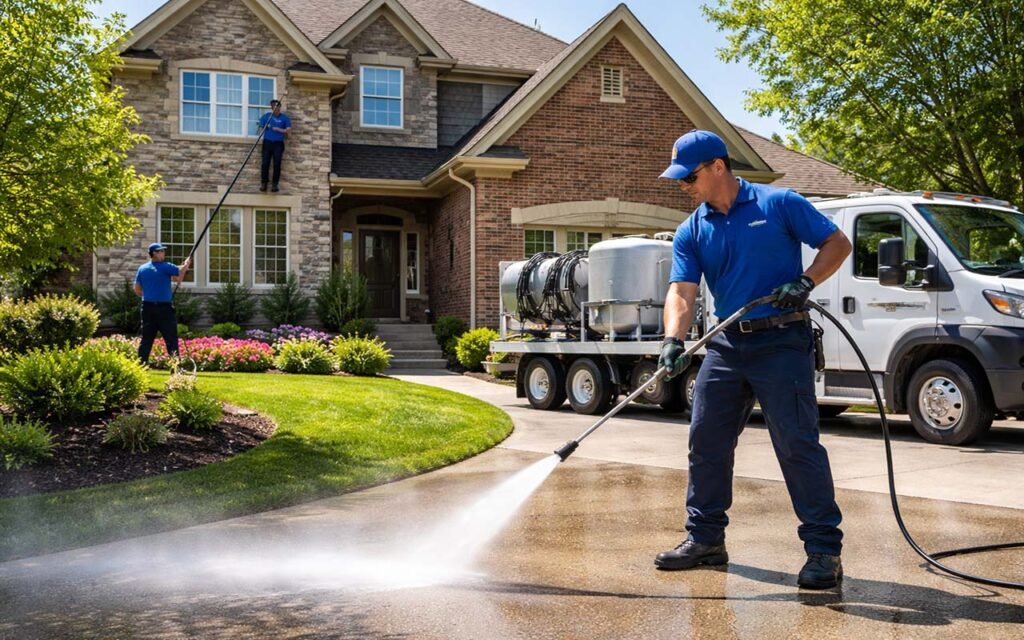
Professional companies understand surface-specific cleaning requirements, chemical applications, and safe operating procedures. They also have access to commercial-grade equipment capable of delivering more consistent results than many consumer units.
At 615 Softwash, we often encounter surfaces that have been unintentionally damaged by improper pressure washing techniques. In many cases, repairs cost far more than professional cleaning would have originally.
Experienced technicians can identify potential risks, select the appropriate cleaning method, and help preserve the appearance and lifespan of your property’s exterior surfaces.
Frequently Asked Questions
What PSI is best for residential pressure washing?
Most residential projects can be completed using pressure washers ranging from 1,500 to 3,000 PSI. The ideal setting depends on the surface being cleaned and the level of contamination present.
Can pressure washing damage siding?
Yes. Excessive pressure or improper technique can crack siding, remove paint, or force water behind panels. Using the correct pressure setting and nozzle helps reduce this risk.
How long does pressure washing take?
Most residential cleaning projects take between one and four hours. Larger properties or heavily stained surfaces may require additional time.
Is pressure washing better than scrubbing by hand?
For large exterior surfaces, pressure washing is generally more efficient and produces more consistent results. Proper cleaning methods can remove dirt and biological growth much faster than manual scrubbing.
Should I use detergent when pressure washing?
Many cleaning projects benefit from detergents because they help break down organic growth, grease, and stubborn stains. Using the right cleaning solution often improves results while reducing the need for excessive pressure.
Conclusion
Learning and applying the right pressure washer tips can dramatically improve cleaning results while helping protect your property’s exterior surfaces. Successful pressure washing is not simply about using the highest pressure setting. It requires understanding surface materials, selecting the proper nozzle, using appropriate cleaning solutions, and following safe operating practices.
Whether you are maintaining a driveway, deck, siding, or commercial property, a thoughtful approach delivers cleaner surfaces and longer-lasting results. By combining proper preparation, effective cleaning techniques, and regular maintenance, homeowners can preserve curb appeal and extend the lifespan of valuable exterior features. When a project requires specialized knowledge or delicate cleaning methods, working with experienced professionals can provide added peace of mind and superior outcomes.